
Whale Coast Cycling


Whale Coast Cycling offers you a relaxing 5 day, self-guided cycling holiday with an abundance of activities, mostly in a protected environment. It is an outdoor experience with river, sea, sand dunes, the vlei, a floral sensation of rare fynbos plants, diverse antelope and whale watching. Eco boat trip, interpretive marine walk and nature drive included. Wine tasting.


Breede River area
Your tour starts in Malgas, an off-the-beaten-track destination for those who enjoy something different. Malgas is a small settlement on the western bank of the Breede River in the Overberg region of the Western Cape, offering peaceful tranquility. The historic ferry (or "pont") across the Breede River at Malgas has been in operation for over 100 years and is likely the oldest and only manually operated cross-river ferry in South Africa.
- Sijnn Wines: Visit Sijnn Wines, a pioneering estate located at the end of a dusty road at the southern tip of Africa. The name "Sijnn" is derived from the Khoisan word for "riverbank." Known for bold cultivar choices and award-winning blends, Sijnn Wines focuses on Mediterranean-style varieties well-suited to the dry climate and poor soil.
De Hoop Nature Reserve
Positioned on the Western Cape's coastline and extending 340 square kilometers, De Hoop is one of the largest areas managed by Cape Nature, known for its marine and land biodiversity. The De Hoop coast is a marine reserve extending 3 kilometers out to sea. Visitors can explore:
- Landscape and wildlife: Sand dunes, a lagoon (vlei), fynbos vegetation, diverse antelope, and the Potberg Mountains. Bird enthusiasts can observe wading birds along the vlei and endangered Cape vultures in the mountains.
- Wildlife encounters: Hikers and cyclists may encounter bontebok, Cape mountain zebras, eland, baboons, and ostriches.
Whale watching
The De Hoop Marine Reserve is a critical calving ground for southern right whales and a nursery for angling fish species. Annually, about 40% of the world’s southern right whales come to breed along these shores. Visitors can relax on the dunes and watch as whales calve, breach, and belly-flop. Whale season runs from June to December.
Fynbos plants and wildlife
With over 1,500 plant species, De Hoop boasts one of the Cape Floristic Region's highest diversities, with many rare and endemic species.
- Fynbos vegetation (defined by four growth forms):
- Proteas: Tall shrubs with large leaves
- Ericas: Heath-like shrubs
- Restios: Reed-like plants always present in fynbos
- Geophytes: Bulbs that store moisture
- Fauna: The reserve houses 86 mammal species, including rare species like bontebok and Cape mountain zebra, as well as over 260 bird species, such as the rare Damara and Caspian terns, vulnerable Cape vultures, and Stanley’s bustard.
De Hoop Vlei
The 17-km-long De Hoop Vlei is a Ramsar site of international ecological significance where many of the 260 bird species can be seen. Home to African fish eagles, the vlei provides a sanctuary for 12 waterfowl species in summer, and a resting place for migratory waders when mudflats are exposed.
Activities
De Hoop Reserve offers a wide variety of activities:
- Outdoor adventures: Mountain biking along gravel roads and trails, scenic nature drives, eco boat tours, and marine walks.
- Specialty experiences: A vulture experience and guided bird walks.
- Beach activities: Relax on the beach and snorkel in turquoise rock pools.
Accommodation and restaurants
Enjoy one night’s stay at a lodge on the Breede River (dinner and B&B) and three nights at De Hoop Nature Reserve, where you can choose from cottages or suites. The restaurant is open daily.


What to take
Wearing a helmet while cycling is mandatory and bicycles need to be equipped with basic repair kit. These items can be provided with bicycles rented via us. Bring your own if you prefer so. If you decide to bring your own, a MTB is the best choice (not a road bike or hybrid).
It is important to be comfortable when cycling so we suggest wearing thin layers of clothing. Fast drying and hard-wearing synthetic fabrics are ideal as a base layer as these allow your skin to breathe and wick the moisture away from your skin to the next layer, avoiding the chill which cotton T-shirts can cause. A thin fleece or sweatshirt is ideal as the next layer. You should also take a lightweight waterproof jacket (breathable and windproof material is best). Sport shoes are fine for cycling and for when you stop off to visit places on foot. For your daily needs, you are advised to have a day-bag, a plastic bag to line your day-pack (to protect the contents from rain), sunglasses, sun block, a water bottle, plastic picnic box (for transporting your lunches), first-aid kit, camera and extra plastic bag for litter. Plan for swimming in Summer.

Browse more experiences
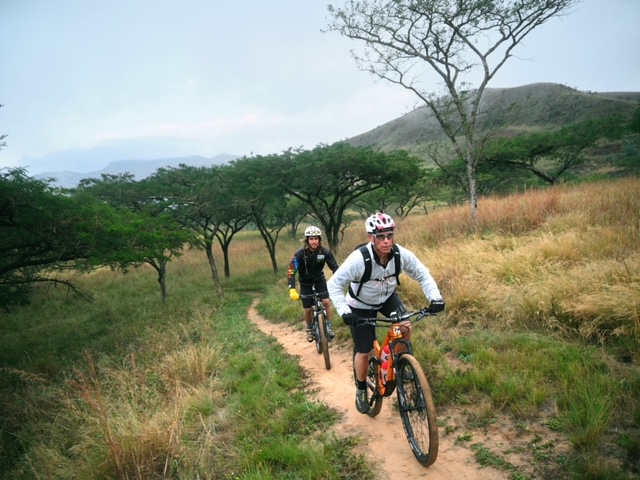


Drakensberg Cycling

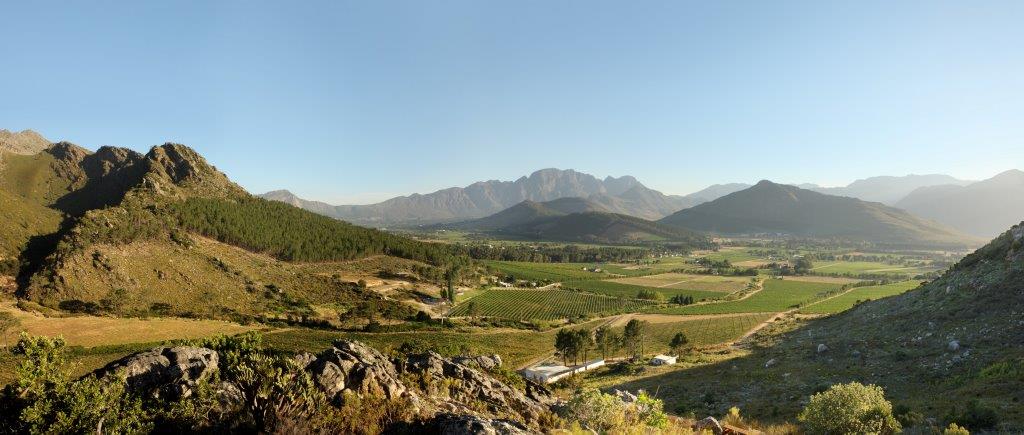
Cape Winelands Cycling
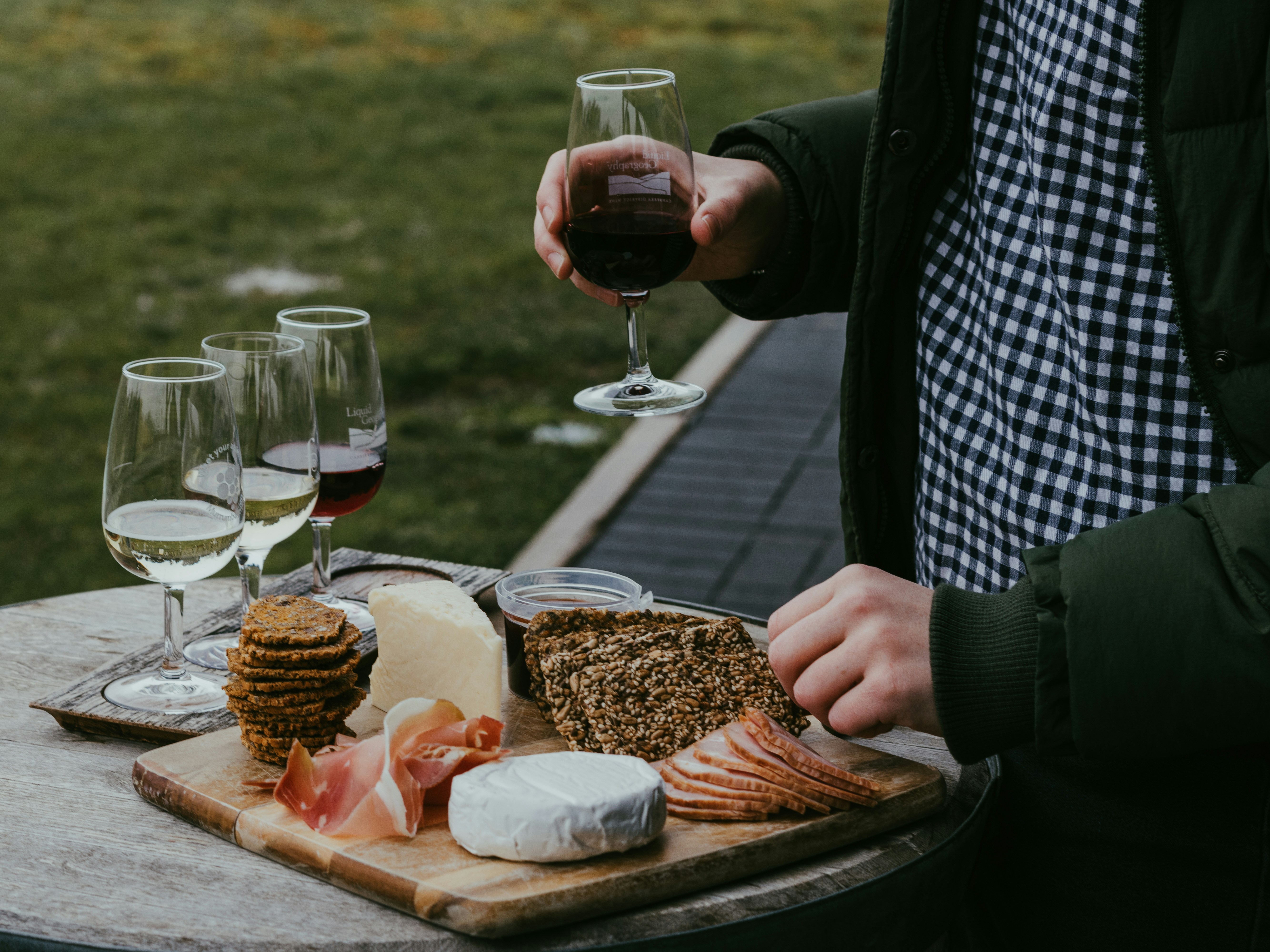

Discover the Winelands