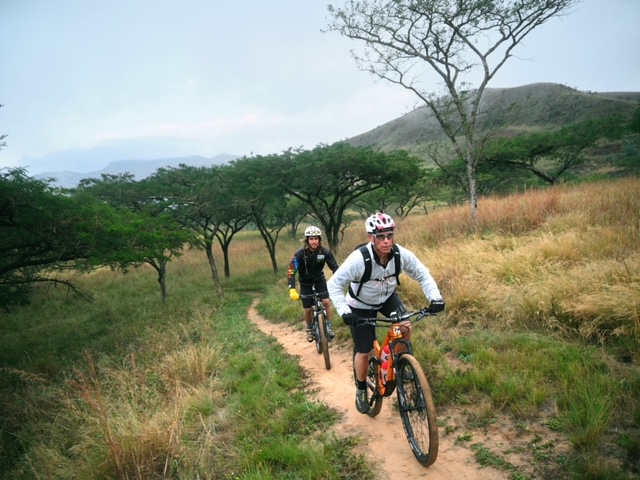
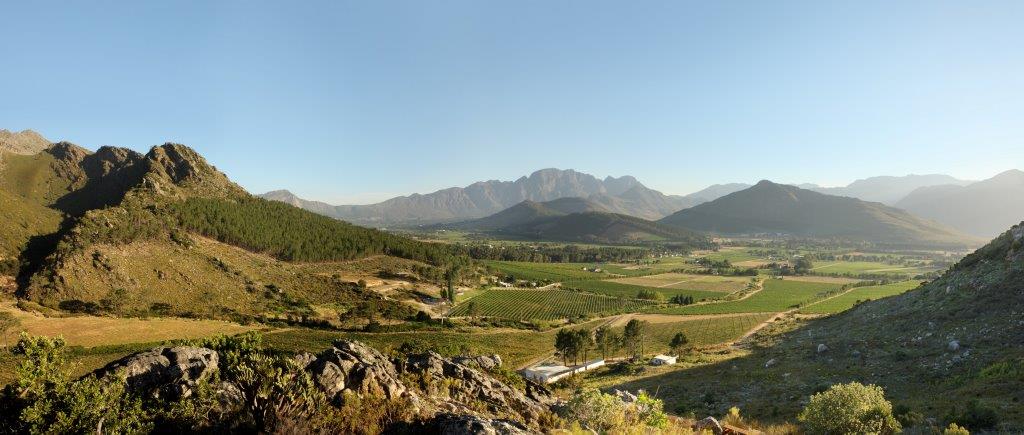
Shipwreck cycling is a 4- day self guided cycling tour exploring the the southern tip of Africa where the Atlantic and Indian Oceans meet. The route covers interesting villages with friendly people, unspoilt nature, unique fynbos and birds, stunning views and an interesting history of shipwrecks, fishermen and Khoikoi beach nomads.
Shipwreck cycling
Takes place in the southern Overberg region of the Western Cape, South Africa, along scenic country roads and through charming villages. This unique route takes you to the tip of the African continent, where the Indian and Atlantic Oceans meet. The region is known for its rugged, windswept coastal plains, which offer striking geographical features and a rich natural and cultural heritage.
Villages
The route begins in the town of Bredasdorp, and continues through historical villages such as Arniston, Struisbaai, L'Agulhas, and Elim. These quaint towns are filled with charm and history, making them perfect stops along the journey.
Shipwrecks
The coastline is infamous for shipwrecks, and many streets and businesses in Cape Agulhas are named after ill-fated ships. Notable shipwrecks include the Meisho Maru, St Mungo, Brederode, Nossa Senhora dos Milagros, Juno, and Martha. Over the years, some 250 ships have met their demise along this stretch of coastline. Visitors can learn about the region’s maritime history at the Shipwreck Museum in Bredasdorp and explore the Old Lighthouse at L'Agulhas.
Coast and Plains
The cycling route takes you inland through a variety of landscapes, including sand plains, farmland, vineyards, wetlands, and dunes, while also passing along the rugged and beautiful coastline. The diverse scenery makes for a scenic and varied cycling experience.
National Park
Explore the Cape Agulhas National Park, which spans about 21,000 hectares. The park is home to over 9,000 species of flowering plants and supports a rich marine and intertidal life, including breeding sites for rare birds like the African Black Oystercatcher. The park features splendid examples of lowland fynbos and fynbos on limestone soils, both of which are endangered and primarily found in the southern Overberg.
Flora
The Overberg region is part of the smallest plant kingdom in the world, yet it boasts the greatest diversity of species. Of the 9,000 species found here, many are endemic to the area. The Strandveld Agulhas Plain is especially unique, with international conservation significance due to its rich biodiversity. The Cape Floral Kingdom is dominated by fynbos and renosterveld vegetation. Notably, 80% of the world's 800 Erica species grow within this kingdom. Some fascinating plants in the area include the mountain bluebell, the flame red Bredasdorp lily, the granny bonnet, and the Cape everlasting.
Views
The route offers stunning views, from beautiful beaches and pebble bays to rock pools. It’s also an excellent destination for whale watching between September and November.
History
L'Agulhas is home to South Africa’s second-oldest working lighthouse, built in 1848. Other historical highlights include the 200-year-old fishermen's village at Kassiesbaai and the fishermen’s cottages at Hotagterklip. Visitors can also explore ancient fish traps and other historical remnants left by the Khoikhoi beach nomads, who lived along this coastline for centuries, adding to the area’s fascinating cultural and historical legacy.
Visit the Shipwreck Museum. Your cycling route will be along a section of the southernmost coastline of Africa. In the past this was one of the most dangerous parts for shipping, with an estimated 250 vessels and 2 500 people lost in its waters through the centuries. Generations of sailors have referred to this area as "Graveyard of the ships". Modern technology has made the sea routes much safer and is now an attractive area for eco-tourism.
Overnight: Bredasdorp
Ride to Arniston- a village where time has stood still; where the practices of generations of fishermen quietly continue without interruption. The name Arniston comes from the British transport/hospital ship that sank near the coast in 1815, with the loss of 372 lives. Today, however, Arniston is a favourite hideaway for holidaymakers. Activities in Arniston include angling, swimming, hiking, whale watching and watching the loaded fishing boats come into Arniston Bay. Visit Kassiesbaai, a 200 year-old fishing village which is a national heritage site in its entirety. Arniston is also known as Waenhuiskrans because of the magnificent limestone cave across the dunes to the west of Roman Beach. This cave, according to a local theory, is so big that a wagon with a full span of oxen can turn around in it. Waenhuiskrans (Afrikaans) means "wagon house cliff"and it can only be accessed at low tide.
Time Magazine has listed Arniston/Waenhuiskrans as one of the 10 most popular tourist destinations in the world.
Overnight: Arniston
Distance: 26 km
Cycle from Arniston to Struisbaai and LAgulhasStruisbaai is a pristine fishing village and a popular holiday destination. Boasting the longest continuous beach in the Southern Hemisphere, 14km of white sand extends from Struisbaai to De Mond Nature Reserve direction Arniston, providing safe bathing, boating and angling. The charming little harbour, originally built in 1959 but enlarged in 1990, serves both local fishing boats and ski boats for the flock of visitors in the town during the holiday season. The historical white washed fishermans cottages at Hotagterklip and the tiny thatch roof Anglican Church are all national monuments which have been restored.You will ride along two oceans, the Indian and the Atlantic. First along the Indian Ocean side through Struisbaai. Then after having visited the lighthouse (the second oldest in South Africa) and the lighthouse museum to LAgulhas. This is the southernmost town in Africa where the Indian and Atlantic Oceans officially meet. Early Portuguese seafarers rounding this dangerous point called it LAgulhas which means Cape of Needles (referring to the jagged rocks of the coastline and also the fact that a compass shows no real deviation between true north and magnetic north at this spot). LAgulhas gets its rich heritage from the shipwreck survivors of many nationalities who settled in this desolate place. The Japanese vessel, MFV Meisho Maru No. 38 got into difficulties in 1982 and the wreck is in a remarkably scenic spot, about two kilometres of the lighthouse at Cape Agulhas. Visit the Agulhas National Park, which has more than 9000 species of flowering plants and the coastline supports a rich marine and intertidal life, with breeding sites of rare birds such as the African Black Oystercatcher.
Overnight: Struisbaai or LAgulhas
Distance: 44 km
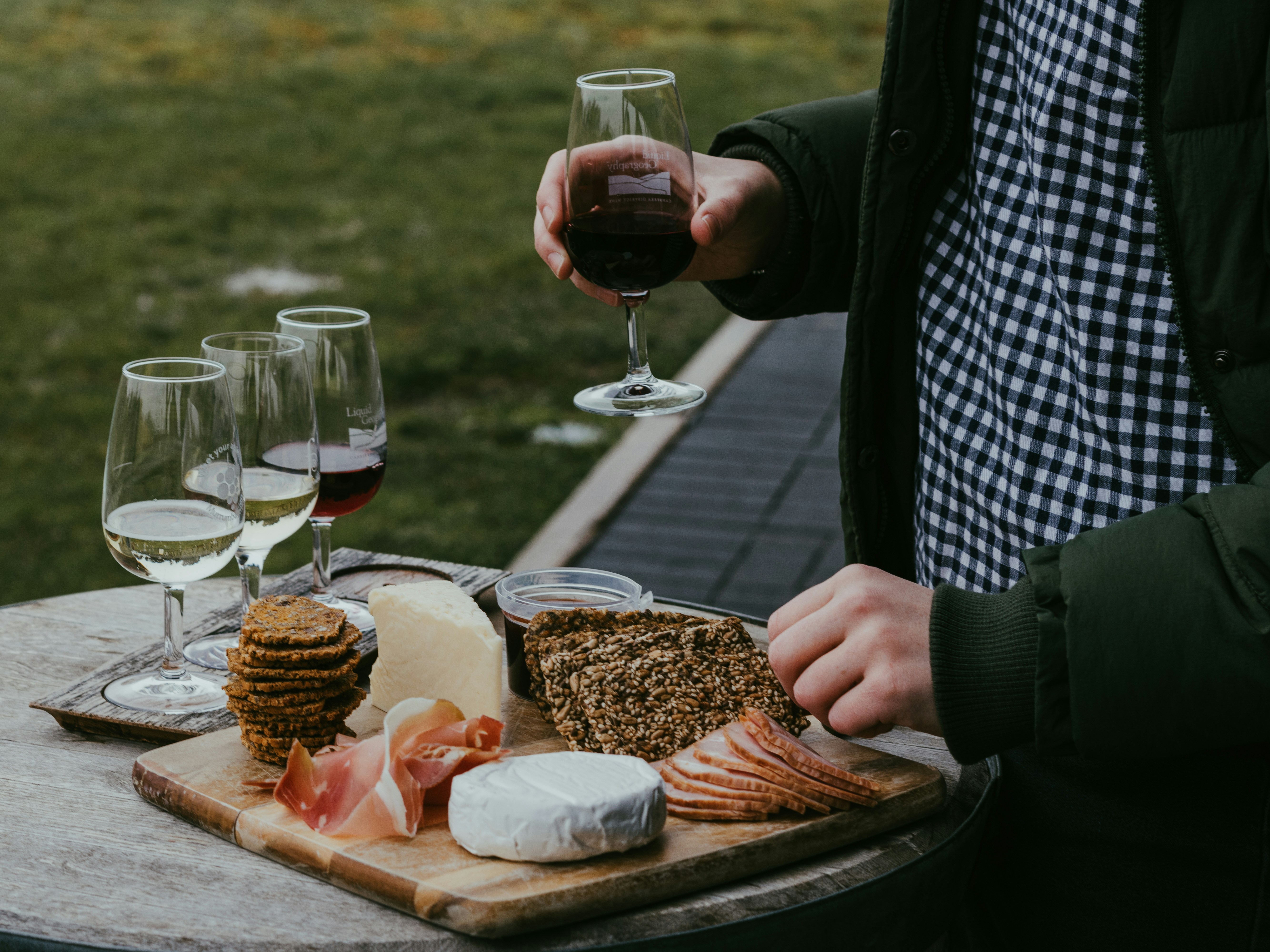
Cycle from Struisbaai to Elim, the oldest village in the Strandveld, as this region is known. The picturesque village with thatched roof cottages was founded as a self-supporting Moravian Mission station in 1824. Lunch and wine tasting at one of the wine estates in the Elim area
Transfer to Bredasdorp or home
Distance: 42 km
The published rate is an indicative price. It will be confirmed on request. The following pricing factors will be considered: standard or superior accommodation, room sharing or single, group size, extra nights, transfers, bicycle rent, guiding and other services. A minimum of 2 people per group. Twenty percent deposit and the balance 6 weeks before trip.
Yes. Navigation is straightforward with the recommended mobile app which has a map, trail summary and navigation functionality. Simply follow our Wikiloc installation instructions which will be provided with your Trip Information pack. Download the country map for offline use and follow the route on your phone with the assurance that navigation will be simple, and you’ll find your way. Local towns are usually signposted. Sections of the trail can be featureless and without directions but you will have electronic support.
We recommend that you arrange appropriate holiday insurance covering you against illness, injury, and loss or damage to luggage. This insurance should also cover the possibility of you having to cancel your holiday for whatever reason.
Can be considered if vacancy exists. If you require a single room, a single supplement will be quoted.
You will need a good quality mountain bike and your normal mountain biking gear for a day ride with perhaps some extra warm layers if the weather is cold. Your Trip information pack has a detailed equipment list which includes standard cycling gear.
The itinerary is designed to be enjoyable for a regular rider. If you currently don’t enjoy that level of fitness, then regular mountain biking supplemented by cardiovascular exercise for at least six months before your trip is recommended. Keep in mind the daily distances and changes in elevation in your daily itinerary. A good gym or personal trainer will be able to draw up a personalised training programme.
You can use local taxis to continue to your next overnight stop. Contact your Route Manager for advice and assistance.
Please be prepared by packing all necessary items, for example, proper rain gear (jacket and pants), sun hat, sunscreen. Your Trip Information pack has a detailed equipment list which includes standard walking gear such as good walking boots or shoes, warm and waterproof clothes for the cooler months and lightweight clothing for summer, and a day pack.
Travel insurance is compulsory. It is required to cover cancellations, personal effects, personal accidents, medical and emergency travel expenses.
Our bookings are generally private groups. You can book a guide for an exclusive trip.
What to take
Wearing a helmet while cycling is mandatory and bicycles need to be equipped with basic repair kit. These items can be provided with bicycles rented via us. Bring your own if you prefer so. If you decide to bring your own, a MTB is the best choice (not a road bike or hybrid).
It is important to be comfortable when cycling. The best is to wear thin layers of clothing. Fast drying and hard-wearing synthetic fabrics are ideal as a base layer. These allow your skin to breathe and wick the moisture away from your skin to the next layer, avoiding the chill which cotton T-shirts can cause. A thin fleece or sweatshirt is ideal as the next layer. Also take a lightweight waterproof jacket (breathable and windproof material is best). Sport shoes are fine for cycling and for when you stop off to visit places on foot. For your daily needs, you are advised to have a day-bag, a plastic bag to line your day-pack (to protect the contents from rain), sunglasses, sun block, a water bottle, plastic picnic box (for transporting lunches), first-aid kit, camera, an extra plastic bag for litter and a mobile phone. Make sure that you are aware of exactly where water can be found each day and note that mobile phone is not available in some areas. Consult your Route Manager.