Experience the Kruger National Park South Africas premier inland tourism destination and Blyde River Canyon one of the largest canyons in the world. Walk with rangers and game drives Immersing yourself in the wilderness. Enjoy the magnificent landscapes and scenic landmarks of the Blyde Canyon and the Panorama route.
Walk and game drives in the Kruger Park. Hikes in Blyde River Nature Reserve and scenic drive along the Panorama Route.
The Kruger National Park
It is one of Africa's largest game reserves. A high density of wild animals includes the Big Five: lions, leopards, rhinos, elephants, and buffalo. Hundreds of other mammals make their home here, as do diverse bird species such as vultures, eagles, and storks.
Mountains, bush plains, and tropical forests are all part of the landscape. Kruger is home to an impressive number of species:
Blyde River Canyon
The Blyde River Canyon, now renamed Molatse River Canyon, is one of the largest canyons in the world. It is located within the Blyde River Nature Reserve.
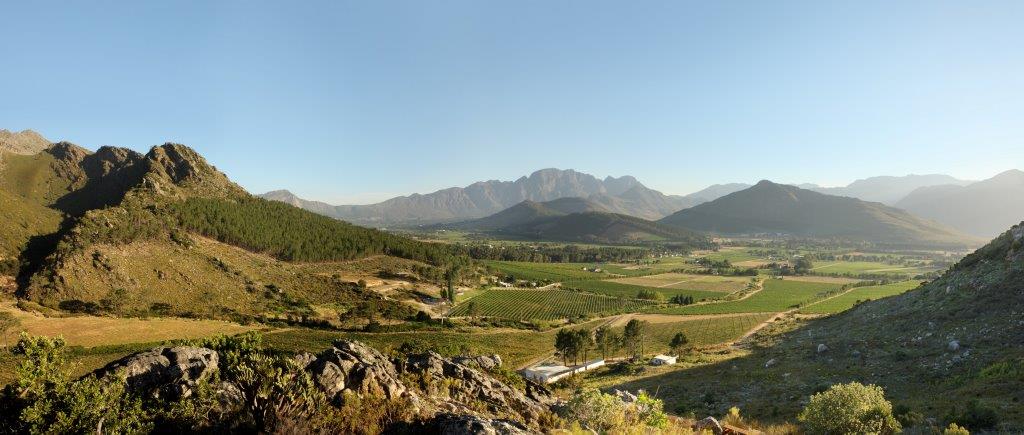
The 29,000-hectare Blyde River Nature Reserve rests against the Greater Drakensberg escarpment and preserves not only the canyon but other natural wonders of Mpumalanga. The beautiful Panorama Route offers magnificent landscapes and scenic landmarks like:
Travel to the Swadini Valley, about 35 km from Hoedspruit in Limpopo.
Early morning Peninsula trail (2,1 km-01h30) and the Waterfall trail (1,8 km-01hr15). Follow the trail through riverine forest to the waterfall and back. 2-hour Boat ride on Blyde Dam which covers the base of the Blyde Canyon. You will discover Tufa waterfall and see some hippos and maybe a crocodile or two.Trails along the Blyde river. Riverine forest trees are abundant. Kudus, Bushbuck, Duiker, Monkeys and Baboons can be seen (Kudu and Vervet Trails- about 2 km and the Bushpig trail 1,9 km or Bushpig circle route of 9,1 km).
Enter the Kruger Park at Orpen Gate. Drive to Orpen camp and explore the camp. View over waterhole.
Drive to Satara Camp. Great birding, view over waterhole at restaurant as well as at the guesthouse area.
Drive to Sweni Bird Hide via the tarred road, Nwanetsi Picnic site with toilets and viewpoint nearby hide.
Sunset drive from Satara (optional).
Overnight: Satara Rest camp
Morning walk in the Kruger park with 2 rangers (approximately 4-5 hours).
Kruger Park game drives and drive to the Blyde River Canyon Reserve Park.
Leopard, guinea fowl and Kadishi-Tufa trails- 7,3 km (approximately 4-5 hours (circle)). It offers spectacular views of the Blyde river, the Blyde dam, Three Rondawels and Mariepskop before descending into the lush vegetation of the Kadishi river valley, a lovely swimming spot and Tufa waterfall.
Enjoy a scenic drive through the mountains towards the escarpment from where panoramic views of the Blyde River Canyon will greet you. You will view the Three Rondawels and visit Bourkes Luck (Potholes), Berlin- and Lisbon Falls and Gods Window along the way then break for lunch in the small town of Graskop. Short hikes of 1-2 km at the stops along the route. Option to do the Belvedere hike- 9,8 km (or shorter).
End of tour. Drive to your next destination.
Visit an animal rehabilitation centre (Moholoholo) where you can interact with large birds of prey, cheetahs, vultures and whichever orphaned baby animal that are in their care (hippo, rhino, giraffe or zebra). Pay a visit to the world renowned Hippo called Jessica. You can feed, touch and even give this wild Hippo a massage with your feet.
The published rate is an indicative price. It will be confirmed on request. The following pricing factors will be considered: standard or superior accommodation, room sharing or single, group size, extra nights, transfers, guiding and other services. A minimum of 2 people per group. Twenty percent deposit and the balance 6 weeks before trip.
Yes. Navigation is straightforward with the recommended mobile app which has a map, trail summary and navigation functionality. Simply follow our Wikiloc installation instructions which will be provided with your Trip Information pack. Download the country map for offline use and follow the route on your phone with the assurance that navigation will be simple, and you’ll find your way. Local towns are usually signposted. Sections of the trail can be featureless and without directions but you will have electronic support.
We recommend that you arrange appropriate holiday insurance covering you against illness, injury, and loss or damage to luggage. This insurance should also cover the possibility of you having to cancel your holiday for whatever reason.
Can be considered if vacancy exists. If you require a single room, a single supplement will be quoted.
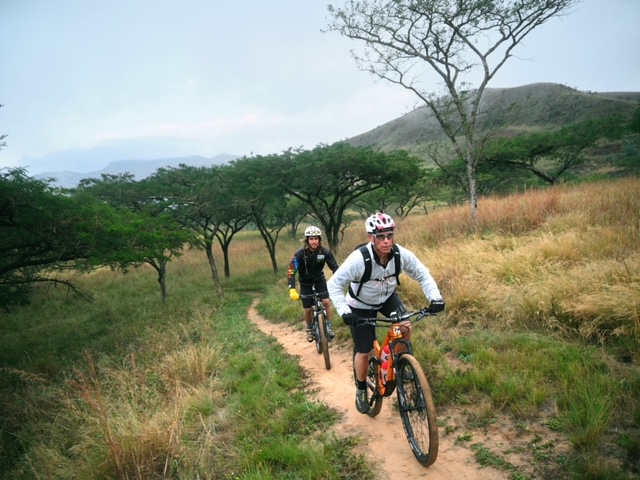
You will need a good quality mountain bike and your normal mountain biking gear for a day ride with perhaps some extra warm layers if the weather is cold. Your Trip information pack has a detailed equipment list which includes standard cycling gear.
The itinerary is designed to be enjoyable for a regular rider. If you currently don’t enjoy that level of fitness, then regular mountain biking supplemented by cardiovascular exercise for at least six months before your trip is recommended. Keep in mind the daily distances and changes in elevation in your daily itinerary. A good gym or personal trainer will be able to draw up a personalised training programme.
You can use local taxis to continue to your next overnight stop. Contact your Route Manager for advice and assistance.
Please be prepared by packing all necessary items, for example, proper rain gear (jacket and pants), sun hat, sunscreen. Your Trip Information pack has a detailed equipment list which includes standard walking gear such as good walking boots or shoes, warm and waterproof clothes for the cooler months and lightweight clothing for summer, and a day pack.
Travel insurance is compulsory. It is required to cover cancellations, personal effects, personal accidents, medical and emergency travel expenses.
Our bookings are generally private groups. You can book a guide for an exclusive trip.
What to take
Comfortable, well ventilated clothes in keeping with the season. Wear neutral coloured clothing. Always bring a thick windbreaker/jacket, good walking boots (already worn-in), hiking sandals and several pairs of cotton or wool socks. For your daily needs, you are advised to have a day-bag, a plastic bag to waterproof your day-pack, sun-hat, sunglasses, sun block, a water bottle, personal first-aid kit, camera, binoculars. A torch and headlamp are important. Basic solar heating is provided. Cell phone charging facilities available.