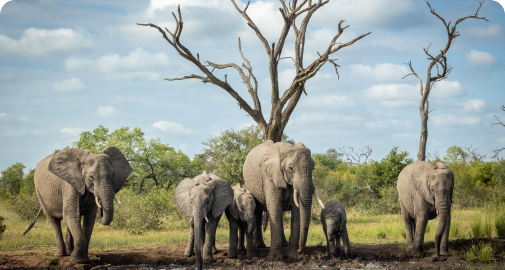
What does South Africa offer to nature lovers
Fauna & flora

Travel Tips
A clear comparison explaining how hiking differs from walking in terms of terrain, duration, purpose, required gear, and physical intensity.

1. Terrain and Difficulty: Hiking generally involves walking on trails or paths that are often more challenging and varied in terrain. Hikes often include inclines, rugged surfaces, and uneven ground, requiring more physical effort and endurance compared to casual walking on even surfaces.

2. Duration: Hiking is typically associated with longer distances and can range from a few hours to several days, depending on the trail and the hiker's goals. Walking, on the other hand, can refer to shorter distances or more leisurely strolls that are not necessarily focused on reaching a particular destination.

3. Purpose and Experience: Hiking is often done for recreational purposes, exploration of natural landscapes, and enjoying the outdoors. It is commonly associated with activities such as backpacking, nature appreciation, and reaching specific viewpoints or destinations. Walking, on the other hand, can encompass various purposes, including leisure, exercise, commuting, or simply getting from one place to another.

4. Equipment and Gear: Due to the more challenging terrain and longer durations involved, hiking often requires specialized gear and equipment. This can include hiking boots, backpacks, navigation tools, appropriate clothing, and provisions such as food and water. Walking, especially for shorter distances or on well-paved paths, typically requires less specialized equipment.
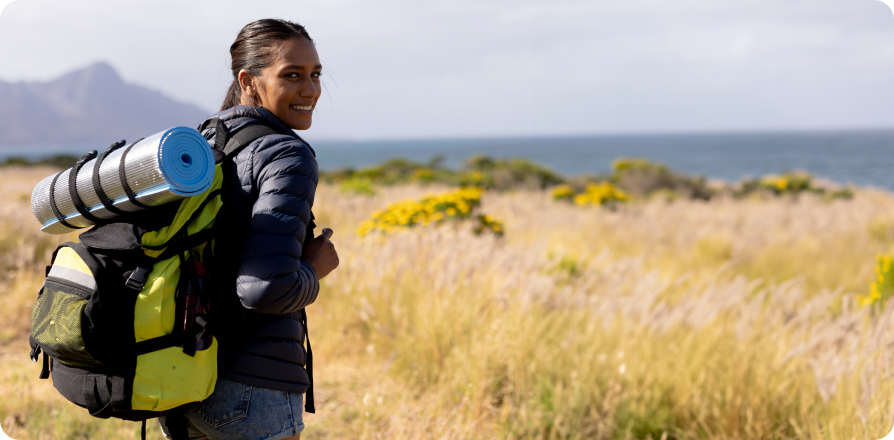
5. Intensity and Fitness Level: Hiking generally demands a higher level of physical fitness and endurance compared to casual walking. The uneven terrain, inclines, and longer durations can make hiking more physically demanding, requiring strength, stamina, and cardiovascular fitness.
It's important to note that the terms "hiking" and "walking" can have different connotations depending on regional and cultural contexts. The distinctions mentioned above are general in nature and may not apply universally to all situations.
Subscribe today so you don’t miss out on all of our hand-picked holiday deals, travel tips, and latest news – All delivered straight to your inbox!